
President Donald Trump’s administration faced another turbulent day in Washington on November 17, 2026, as the White House withdrew its nominee to lead the Food and Drug Administration, Democrats strengthened their position in Congress, and federal officials confronted controversies involving national security, aviation safety and artificial intelligence.
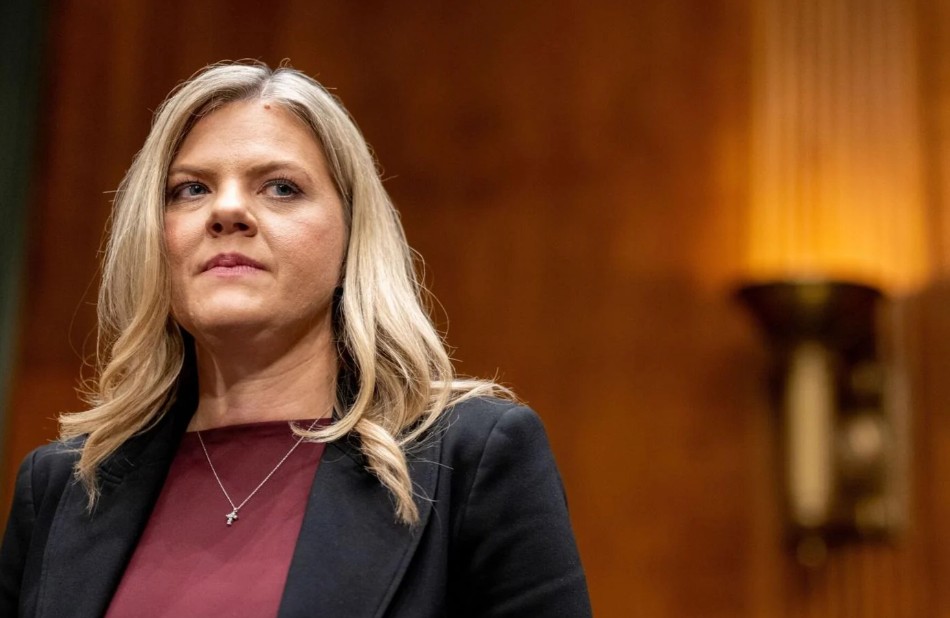
The developments reflected growing pressure on the administration following Republican defeats in the November midterm elections. One of the day’s most significant announcements involved Heidi Overton, a physician nominated by Trump in August to lead the Food and Drug Administration.
The White House withdrew her nomination amid uncertainty about whether she could secure sufficient support in the Senate. Overton, a prominent opponent of abortion, had faced questions about her approach to public health and reproductive healthcare regulation.
Republican Senator Bill Cassidy, chairman of the Senate Health Committee, questioned the administration’s decision, arguing that she might have secured confirmation. The withdrawal creates additional uncertainty over leadership at the federal agency responsible for regulating medications, vaccines and medical devices.
With Democrats preparing to assume control of the Senate in January, confirming a replacement could become more complicated. Meanwhile, Alaska’s closely contested Senate race attracted national attention as Democrat Mary Peltola maintained a lead over Republican incumbent Dan Sullivan.
During Tuesday’s early counting updates, Peltola held approximately 49.98% of the vote compared with Sullivan’s 45.93%. The contest was complicated by allegations that individuals associated with Peltola’s campaign helped recruit another candidate named Dan Sullivan.
Peltola denied involvement, while authorities announced investigations. Later on November 17, Peltola was declared the winner, securing a major Democratic victory. Her election expanded the party’s Senate majority to 56 seats, reinforcing the political consequences of the midterm elections.
Despite their electoral success, Democrats also confronted questions about congressional leadership. Senator Chuck Schumer insisted that he had enough support to remain the party’s Senate leader.
However, several Democratic lawmakers expressed support for Senator Chris Van Hollen, suggesting possible divisions over the party’s future direction. The leadership contest could influence how aggressively Democrats investigate the Trump administration and pursue legislative reforms.
Technology policy remained another major source of controversy. Former Nvidia chief executive Jensen Huang agreed to testify before House lawmakers on December 1 amid investigations concerning potential Chinese access to restricted American semiconductor technology.
The Commerce Department also announced new measures intended to limit China’s ability to obtain advanced chips through third countries. Officials confirmed an ongoing investigation involving Megaspeed, a data center company linked to allegations of Chinese intelligence activity.
These developments underscore the growing importance of semiconductor security in American foreign and economic policy. Transportation Secretary Sean Duffy requested an additional $50 billion for aviation safety improvements following a nationwide flight grounding.
Federal investigators were examining a malfunction involving recently installed communications equipment. The FBI joined the investigation, although officials said the disruption had not been attributed to a cyberattack.
The incident intensified debate over the modernization of America’s aging air traffic control infrastructure. The National Security Agency also experienced an internal network outage. Officials attributed the interruption to scheduled maintenance and reported no evidence connecting it to other recent technological disruptions.
Nevertheless, the incident added to broader concerns about the reliability of critical government systems. The day’s developments illustrated the increasingly difficult political environment facing Trump as Democrats prepare to control Congress.
Questions surrounding healthcare leadership, semiconductor security and federal infrastructure are likely to generate additional oversight and legislative disputes.