
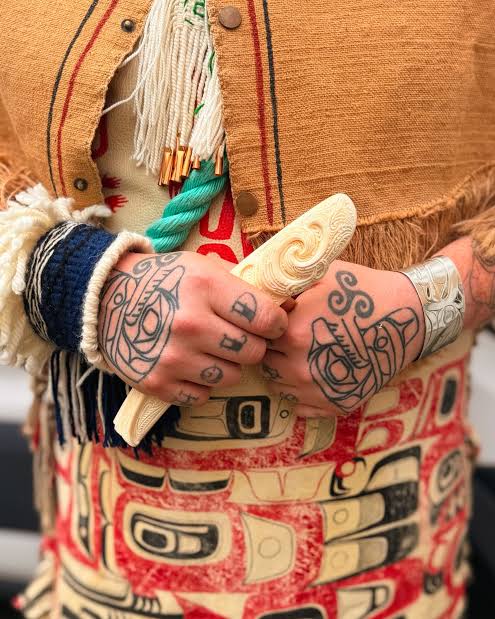
Across the United States, Native American and Alaska Native communities are celebrating their histories, cultural identities and enduring traditions during National Native American Heritage Month, observed throughout November.
From Indigenous art galleries in Nevada to traditional food gathering in Alaska, communities are demonstrating how ancestral knowledge continues to shape contemporary American life.
A collection of stories highlights the creativity, determination and cultural pride of Indigenous people working to preserve their heritage while building opportunities for future generations.
In Las Vegas, artist Fawn Douglas, a citizen of the Las Vegas Paiute Tribe, is redefining perceptions of Native American creativity. Alongside her partner, A.B. Wilkinson, Douglas operates Wai Gallery and the IndigenousAF storefront, showcasing contemporary Indigenous artists and organizing free community activities.
Her artwork combines traditional techniques with modern materials, including baskets woven from electrical conduit wire. The gallery challenges the misconception that Indigenous art belongs exclusively to the past or follows a single artistic tradition.
For Douglas, creative expression also provides opportunities for healing, conversation and stronger community relationships.
In Kipnuk, Alaska, the Paul family has returned to harvesting salmonberries after Typhoon Halong devastated their village and displaced residents. The storm damaged approximately 90% of local buildings, disrupting everyday life and separating families.
Despite these hardships, relatives gathered to collect the orange berries known as naunraqs in coastal Yup’ik.
The annual tradition represents more than food gathering. It strengthens family relationships, preserves ancestral knowledge and reconnects people with their homeland.
For communities recovering from disaster, cultural practices can provide stability and a sense of belonging. In Arizona, Pascua Yaqui advocate Rosa Soto Alvarez is helping Native children maintain connections with their cultural communities.
Having experienced foster care herself, Alvarez understands the importance of preserving family relationships and tribal identity.
Her childhood placement with a family on her reservation was supported by protections established under the Indian Child Welfare Act of 1978. Today, she leads her tribe’s committee supporting the law and has cared for 25 foster children.
Her advocacy reflects broader efforts to ensure Indigenous children can grow up connected to their languages, traditions and communities.
In North Carolina, a group of Indigenous girls has helped secure legal recognition of rights for a major river system. The NAIWA Daughters, ages 10 to 17, persuaded the Eastern Band of Cherokee Indians Tribal Council to approve a resolution recognizing the waterways as living relatives.
The measure includes protections supporting the rivers’ ability to flow freely and remain unpolluted. Their achievement demonstrates how young Indigenous leaders are connecting traditional environmental values with modern conservation policies.
In Minnesota, the Wicoie Nandagikendan early childhood program immerses children in Ojibwe and Dakota languages. Students participate in traditional activities, including collecting maple sap and preparing syrup.
These experiences help younger generations learn cultural knowledge through direct participation. Meanwhile, Muscogee tattoo artist Hodokii Johnson is helping revive ancestral tattooing practices in Oklahoma.
Johnson views traditional markings as expressions of identity, healing and cultural continuity. In Tulsa, former boxer Kerry Butler is also supporting efforts to create a new gathering space for Indigenous youth, inspired by the community center that strengthened his confidence decades earlier.
Together, these stories demonstrate that Native American Heritage Month is not simply a commemoration of history. It recognizes living cultures that continue to evolve through art, education, environmental leadership and community service.
The experiences also challenge stereotypes by revealing the diversity of Indigenous nations and their contributions to American society.
As November unfolds, these communities are showing that preserving cultural heritage means more than remembering the past. It means protecting traditions, empowering young people and ensuring Indigenous identities remain vibrant for generations to come.